
If you own a Turbo Esprit or any other vehicle powered by a Lotus 900 series engine, then you may have heard rumours of the engine being supplied by Vauxhaul.
This is not totally correct but there is an element of truth in this popular myth.
Anyone researching the evolution of the Lotus 900 series engine would have probably read that Colin Chapman was looking for another more powerful engine to replace the aging Ford based Lotus Twin Cam.
According to the records Colin Chapman saw this engine when it was first shown at the London Motor Show back in 1966.
The 45 degree inclined layout with a low centre of gravity and coupled with a 16 valve cylinder head similar to the Cosworth BDA, provided the inspiration for the new 2.0 litre Lotus engine.

Even the camshafts have a similar appearance to both the Lotus 900 series and Cosworth BDA engines
The auxiliary and camshaft tooth belt pulleys look more like the camshaft pulleys on the Cosworth BDA engine

There are many similarities between the Vauxhaul engine and the early Lotus 907 engine
The exhaust manifold on the Vauxhaul engine is very similar to the Esprit Series 1 and Series 2
The timing belt tensioner bearing is in an almost identical position.
The starter motor is in an almost identical position
The oil pump and filter above are much further forward and rotated by 90 degrees compared to the Lotus oil pump
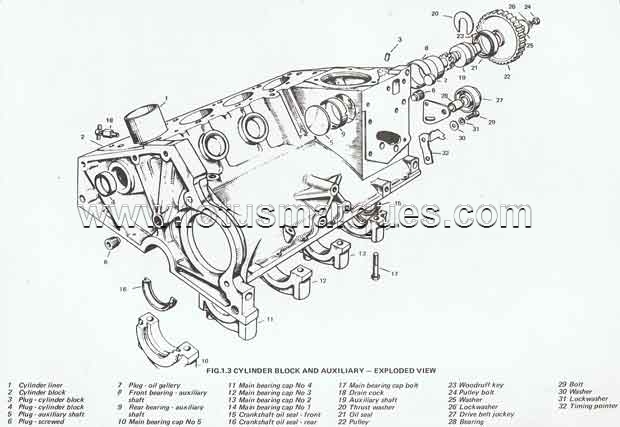
The general cylinder block layout is not very different to the Lotus engine and even incorporates cylinder liners into the design.
One noticeable difference is how the crankshaft is held in position by caps but the Lotus engine utilises a much stronger cradle.
The engine mount bracket is also in a similar position when the two engines are compared.
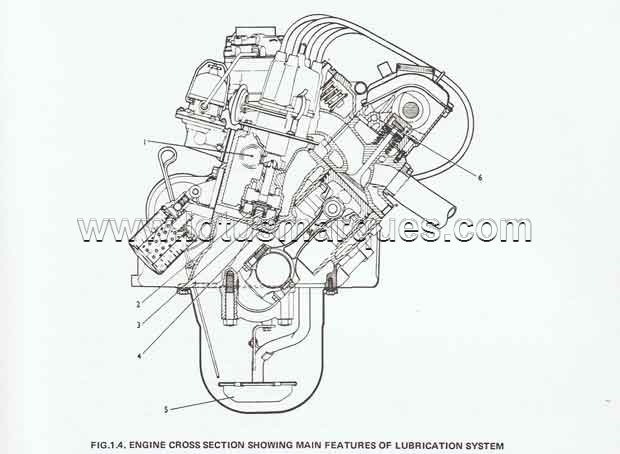
If you examine the general engine layout you can see the distributor would have to be relocated to make provision for a second camshaft.
In the Lotus installations, the fuel pump is a 12 volt electric driven unit and is usually remote mounted.
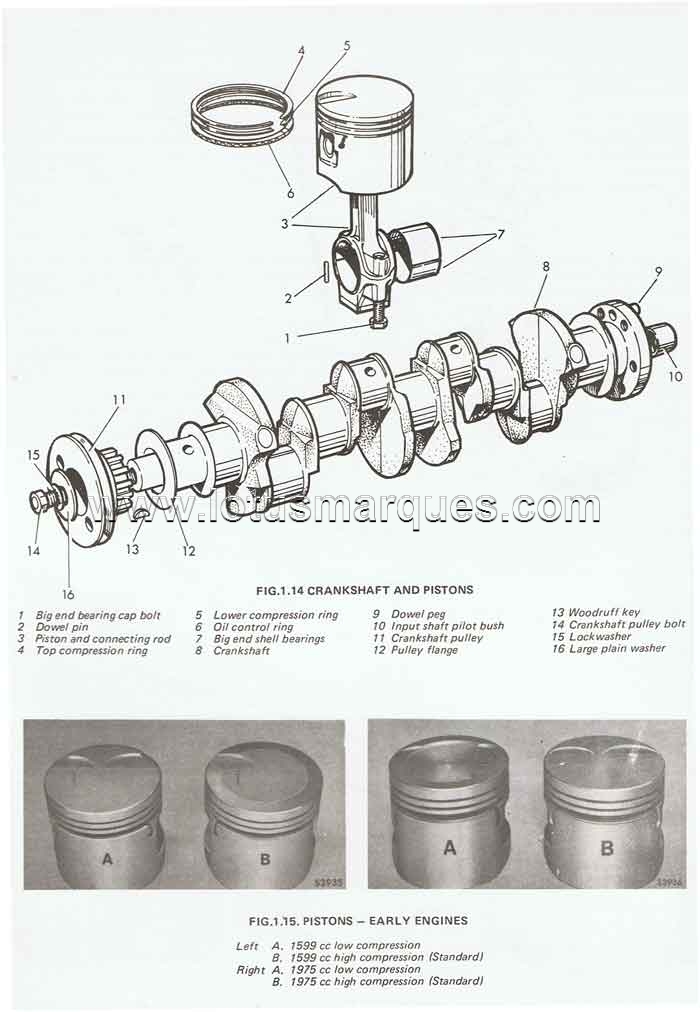
The Vauxhaul crankshaft is the same item as used in the Lotus engine but the bearing shells are not.
The bearing shells are different because the locating notches are 180 degrees out of phase and therefore cannot be installed in the Lotus engine.
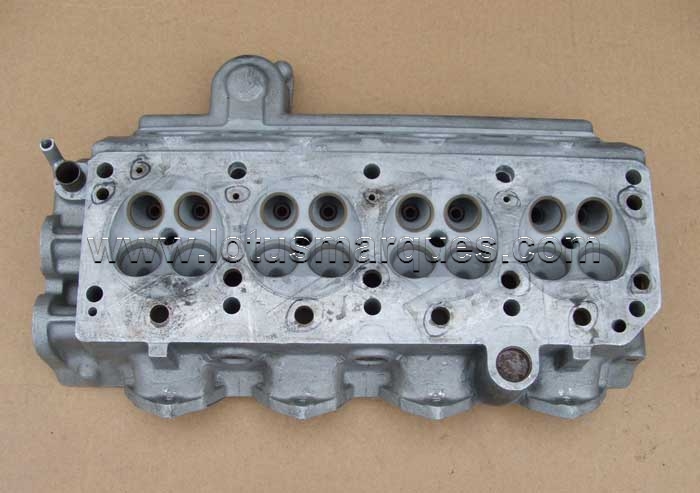
The Cosworth BDA cylinder head in the above photograph was the other ingredient to bring about the birth of the Lotus 907 engine.
This 16 valve cylinder head is usually found on a 1600cc cast iron Ford cylinder block.
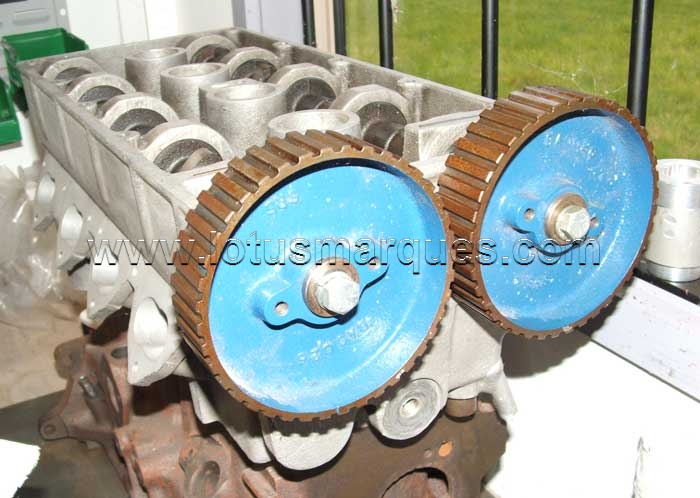
The above photograph shows the BDA camshaft housing populated with cams and pulleys.
Note how similar the Costworth cam pulleys are when compared with the Vauxhaul engine components.
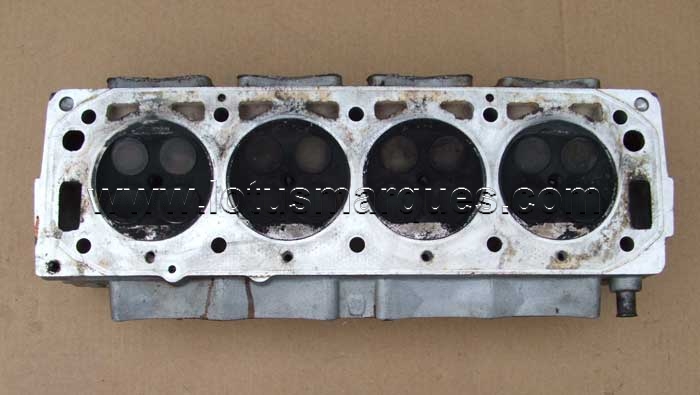
The above photograph shows a 907 Esprit cylinder head.
This is not totally correct but there is an element of truth in this popular myth.
Anyone researching the evolution of the Lotus 900 series engine would have probably read that Colin Chapman was looking for another more powerful engine to replace the aging Ford based Lotus Twin Cam.
According to the records Colin Chapman saw this engine when it was first shown at the London Motor Show back in 1966.
The 45 degree inclined layout with a low centre of gravity and coupled with a 16 valve cylinder head similar to the Cosworth BDA, provided the inspiration for the new 2.0 litre Lotus engine.
Even the camshafts have a similar appearance to both the Lotus 900 series and Cosworth BDA engines
The auxiliary and camshaft tooth belt pulleys look more like the camshaft pulleys on the Cosworth BDA engine
There are many similarities between the Vauxhaul engine and the early Lotus 907 engine
The exhaust manifold on the Vauxhaul engine is very similar to the Esprit Series 1 and Series 2
The timing belt tensioner bearing is in an almost identical position.
The starter motor is in an almost identical position
The oil pump and filter above are much further forward and rotated by 90 degrees compared to the Lotus oil pump
The general cylinder block layout is not very different to the Lotus engine and even incorporates cylinder liners into the design.
One noticeable difference is how the crankshaft is held in position by caps but the Lotus engine utilises a much stronger cradle.
The engine mount bracket is also in a similar position when the two engines are compared.
If you examine the general engine layout you can see the distributor would have to be relocated to make provision for a second camshaft.
In the Lotus installations, the fuel pump is a 12 volt electric driven unit and is usually remote mounted.
The Vauxhaul crankshaft is the same item as used in the Lotus engine but the bearing shells are not.
The bearing shells are different because the locating notches are 180 degrees out of phase and therefore cannot be installed in the Lotus engine.
The Cosworth BDA cylinder head in the above photograph was the other ingredient to bring about the birth of the Lotus 907 engine.
This 16 valve cylinder head is usually found on a 1600cc cast iron Ford cylinder block.
The above photograph shows the BDA camshaft housing populated with cams and pulleys.
Note how similar the Costworth cam pulleys are when compared with the Vauxhaul engine components.
The above photograph shows a 907 Esprit cylinder head.